
Refinance, major bank
Commercial finance built around South East Queensland's growth.
Specialist commercial finance for Brisbane businesses, property investors and developers. We structure complex transactions, negotiate with lenders and provide the market intelligence behind every recommendation.
Brisbane Crane Index
RLB Crane Index®, Brisbane Q3 2026: 80 cranes, index 110 ▲ 14.6%
Biggest sectors
- Residential5467.5%
- Mixed use911.3%
- Health810.0%
Biggest regions
- Inner Brisbane5164%
- North1114%
- West810%
Source: Rider Levett Bucknall, published 23/09/2026.
Calculators and the full crane data →- Cash rate 4.85%, up 0.25%
- 30 days BBSY 4.72%, up 14.5 bps
- 90 days BBSY 4.82%, up 13.1 bps
- 180 days BBSY 5.24%, up 10.7 bps
What are you looking to finance?
Tell us what you're working on. We'll set out the options, the lenders that suit it and what each one needs.
 01
Purchase commercial property
Talk to us → 02
Refinance business debt
Talk to us → 03
Acquire or expand a business
Talk to us → 04
Fund a development
Talk to us → 05
Purchase or develop a childcare centre
Talk to us → 06
Finance equipment or vehicles
Talk to us → 07
Access working capital
Talk to us → 08
Discuss a complex transaction
Talk to us →Finance in action.
Real examples of how we help businesses, investors and developers achieve their goals across South East Queensland.
Refinance, major bank
Childcare freehold purchase
Commercial property acquisition
Childcare and swim school construction funding
Land acquisition for residential development
Truck finance
Equity release
South East Queensland's major growth corridors.
Where population, infrastructure and investment are driving demand for commercial property, business premises and development. Open a corridor to see why it matters and the opportunities.
Hover over or tap a suburb for its growth drivers.
Main growth drivers: New housing, university and health infrastructure, Bruce Highway access, rail, industrial land and Waraba.
View details
Why it matters
Waraba is Moreton Bay's largest planned growth area. The new regional city is expected to accommodate more than 70,000 residents over the longer term, with housing, employment and supporting infrastructure delivered progressively.
Morayfield South is another major future community, with planning capacity for approximately 9,800 dwellings and 26,000 residents.
Commercial opportunities
Main growth drivers: Greenfield housing, Bruce Highway, rail investment, employment land and the expanding southern Sunshine Coast.
View details
Why it matters
Caloundra South is planned to provide approximately 20,000 dwellings and 15,000 jobs, supported by mixed-use centres and community infrastructure.
Commercial opportunities
Main growth drivers: Springfield development, Ipswich population growth, industrial precincts, rail and motorway connectivity.
View details
Why it matters
Ripley Valley is one of Australia's largest urban growth areas. Its planning framework provides for up to approximately 48,750 dwellings and a population of 131,000.
Commercial opportunities
Main growth drivers: Large-scale greenfield housing, future employment areas, Mount Lindesay Highway and proposed transport connections.
View details
Why it matters
Greater Flagstone is planned to accommodate approximately 51,500 dwellings and up to 138,000 people over a 30–40-year development horizon. It is located between the future employment areas of North Maclean and Bromelton.
Commercial opportunities
Main growth drivers: Health and education, housing development, Pacific Motorway access, rail and new community infrastructure.
View details
Why it matters
Yarrabilba is planned to provide up to approximately 20,000 dwellings and accommodate around 50,000 residents.
Meadowbrook is particularly important as a health, education and employment precinct, supported by Logan Hospital, Griffith University and transport connections.
Commercial opportunities
Main growth drivers: Strong population growth, industrial and logistics development, Pacific Motorway, heavy rail and Coomera town-centre investment.
View details
Why it matters
Stapylton is identified as a potential future industrial and employment growth area under ShapingSEQ.
Commercial opportunities
Main growth drivers: Light rail, higher-density housing, tourism, health, education and mixed-use redevelopment.
View details
Why it matters
The Gold Coast expects continued growth of approximately 15,000 residents annually to 2041, with planning increasingly focused on established urban areas and transport-oriented development.
Commercial opportunities
Main growth drivers: Cross River Rail, Brisbane Metro, Olympic-related investment, urban renewal and higher-density development.
View details
Why it matters
This corridor encompasses the major renewal, transport and higher-density precincts surrounding Brisbane CBD.
- Cross River Rail
- Brisbane Metro
- Northshore Hamilton redevelopment
- Olympic and Paralympic Games investment
- Higher-density residential development
- Health and knowledge precincts
Commercial opportunities
Main growth drivers: Airport and port investment, logistics, manufacturing, freight, warehousing and industrial development.
View details
Why it matters
This is one of the region's most important economic and employment corridors.
Commercial opportunities
Planning figures are approximate, long-term and subject to change. General information only.
Brisbane is growing.
More people, more jobs and a decade of infrastructure on the road to 2032. Businesses that plan their finance early are the ones ready to take the work.
958,000jobs in Brisbane in 2024
1.26mjobs projected by 2046
1.60mresidents projected by 2046, up from 1.36m in 2024
Source: Brisbane City Council, Brisbane's economic profile, December 2025 (NIEIR and ABS figures).
Industries we know
Some industries are assessed differently by lenders. These are the ones we see most in Brisbane.
Childcare and education
Buying, building or expanding centres, where lenders weigh occupancy, licensing and the lease.
Medical, dental and allied health
Practice purchases, fit-outs, equipment and premises for health professionals.
Aged care and social assistance
Property and working capital for providers, where regulation shapes how lenders assess risk.
Construction and trades
Equipment, vehicles, working capital and guarantees for builders and trades taking on bigger jobs.
Manufacturing and wholesale
Machinery, stock and trade finance for businesses that make and move goods.
Transport and logistics
Fleets, depots and warehousing for one of South East Queensland's growing sectors.
Professional services
Practice purchases, partner buyouts and working capital for accountants, lawyers and consultants.
Tourism and accommodation
Hotels, hospitality venues and tourism operators investing ahead of the region's growth.
Lenders we work with.
Access to a panel of banks and specialist lenders, so your options aren't limited to one bank's products.







- Adelaide Bank






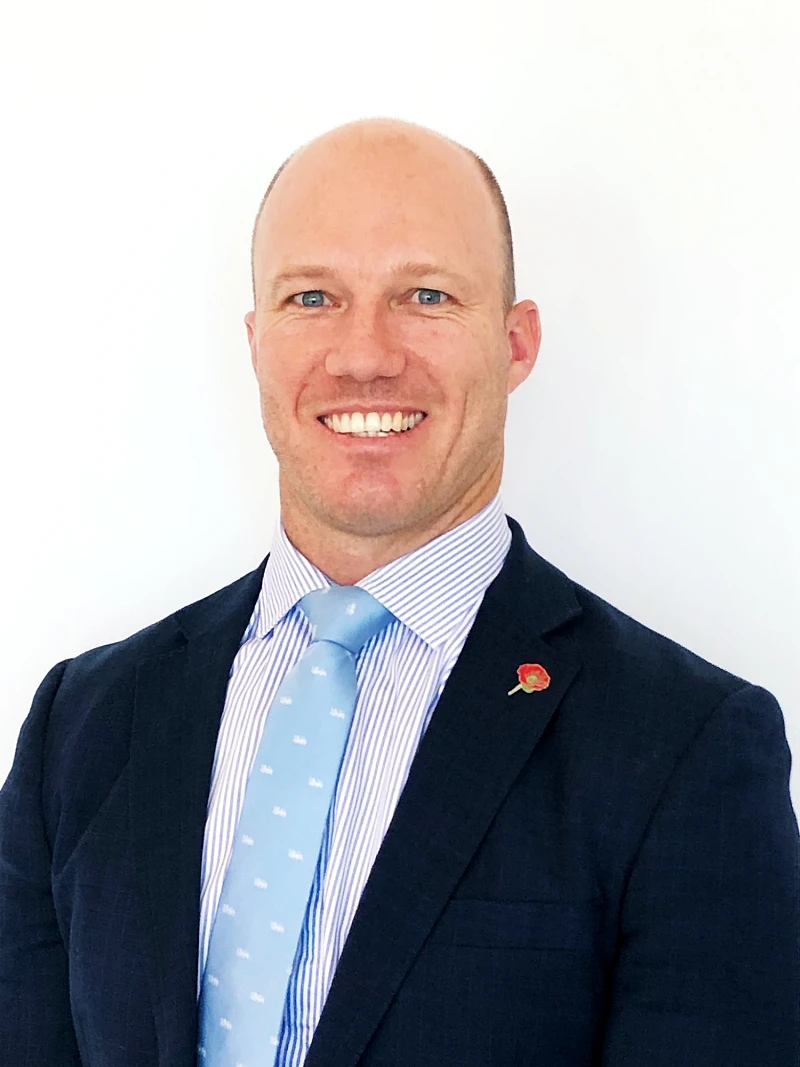
Banking experience behind every transaction.
Brisbane Commercial Finance combines over 20 years of banking and commercial lending experience with direct access to banks, non-bank lenders and specialist funders.
We understand how lenders assess risk, structure security, test serviceability and price commercial transactions.
We work alongside your other advisers:
- Accountants
- Solicitors
- Financial advisers
- Commercial agents
- Buyers' agents
- Quantity surveyors
From the insights.
Plain-English guides for business borrowers.
Your commercial loan is expiring. Here's why to start a year early.
Commercial facilities expire on a set date. Starting the review six to twelve months out gives you time, choice and negotiating power.
Read →What is BBSW, and how does it affect your business loan?
Many variable commercial loans are priced as BBSW plus a margin. Here's what BBSW is, why it moves, and the part of your rate that can be negotiated.
Read →Common questions
Before you call.
The questions business owners ask us most. If yours isn't here, call Matt.
How is a commercial loan priced?
Many commercial and business loans are priced from a benchmark such as the Bank Bill Swap Rate (BBSW), plus a margin set by the lender, and sometimes a line fee. BBSW moves with the market. The margin and fees are the parts that can be negotiated, which is where we work for you.
How much deposit or equity do I need?
It depends on the lender, the type of property or asset, and your business's finances. Commercial lenders usually want more equity than for a home loan, and specialist assets can differ again. We'll tell you what each lender on the panel needs for your situation before you commit.
What documents will I need?
Usually recent financial statements and tax returns, business activity statements, details of existing debts, and information about the property, equipment or business being financed. We give you a checklist at the start so nothing holds the application up.
How long does approval take?
Straightforward equipment and business loans can be quick once the information is complete. Commercial property, development and acquisition finance take longer because of valuations and credit assessment. Getting the submission right the first time is the biggest factor.
Can I stay with my current bank?
Yes. Sometimes the best result is better terms from your current lender. We can negotiate with your bank on your behalf and compare its offer with the rest of the panel, so you know either way.
How are you paid?
Lenders usually pay us a commission when a loan settles. For complex work, such as a lender tender or debt advisory, we may charge a fee. Either way, we explain in writing how we're paid before anything is signed.
Can you work with my accountant?
Yes, and we'd encourage it. The right loan structure depends on your tax and legal position, so we work alongside your accountant and solicitor rather than around them.
What's the difference between a broker and a debt adviser?
A broker arranges a loan. A debt adviser looks after your whole debt position over time: structure, covenants, reviews and expiries. We do both, so the loan you take today still suits the business in three years.